The problem
When ANAF made e-Factura mandatory for B2B in 2024 and rolled e-TVA pre-filled returns into 2025, the firm thought the regulator had finally done it a favor. Instead, the SPV inbox started spitting out 4,000+ XML invoices a month — across 310 micro-SME clients — and somebody still had to match each one to a bank line, a contract, and the client's chart of accounts. The 'digital' mandate moved the bottleneck from paper to XML, but the bottleneck was still a human.
SAF-T D406 made it worse. Every monthly file had to balance to the cent against e-Factura, the bank statement, and the client's POS export. Mismatches triggered ANAF clarifications that the senior accountant personally drafted at 11pm. The firm was filing 80% of D406 reports in the last 48 hours of the deadline window, and clarification correspondence with ANAF was eating eight hours a week of partner time.
On top of all that, clients did not want to email anymore. They sent receipts on WhatsApp — sometimes a photo of a fuel slip, sometimes a forwarded email, sometimes a voice note saying 'pune și asta'. The two junior accountants had 11 personal WhatsApp threads each open at any moment, hand-renaming files and dragging them into Dropbox. The firm had stopped accepting new clients six months earlier because nobody could absorb a single extra account.
What we built
By early 2026 the pieces finally lined up: ANAF's SPV API was stable enough for direct pull, OpenAI's smaller models could parse a Romanian fuel receipt out of a blurry WhatsApp photo, and tools like n8n + a vector database made it cheap to keep a per-client knowledge base. We wrapped all of it into a single AI back-office agent that lives between SPV, the bank, the POS, and the client — with the accountants supervising rather than typing.
The firm kept SAGA as its core ledger. We did not replace anything. We replaced the human data-entry layer that sat on top of it.
- Direct SPV pull every 15 minutes: incoming and outgoing e-Factura XML auto-classified per client, per VAT regime (TVA la încasare vs. normal), with line-level matching against the chart of accounts
- Receipt intake via a dedicated WhatsApp Business number per client — the AI agent reads the photo, extracts seller CUI, total, VAT, date, and either matches it to an existing e-Factura or files it as a deductible expense with a confidence score
- SAF-T D406 pre-validation: the agent reconciles e-Factura, bank, cash register, and stock movements before the file is generated; mismatches surface with a one-click 'ask the client' WhatsApp prompt instead of a 9pm phone call
- e-TVA reconciliation assistant: when ANAF sends the pre-filled D300, the agent diffs it against the firm's books line-by-line and drafts the response notice in Romanian for the partner to approve
- Client-facing WhatsApp concierge: balance, taxes due this month, ANAF deadlines, document requests — answered in Romanian, in under two minutes, citing the source document the client can tap to open
- Auto-chase for missing documents: 5 days before the D394 deadline the agent DMs each client with a personalized list of what's missing — 'lipsesc 4 facturi de la Lukoil și bonul de la Decathlon din 18.04'
- Monthly client report generated automatically: P&L, cash position, top expense categories, taxes due, with a 90-second AI voice summary the client can listen to in the car
- Senior accountant dashboard: per-client risk score (overdue VAT, unmatched invoices, ANAF clarification open, late SAF-T) so the partners spend Mondays on the riskiest 10%, not the calmest 90%
The results after 6 months
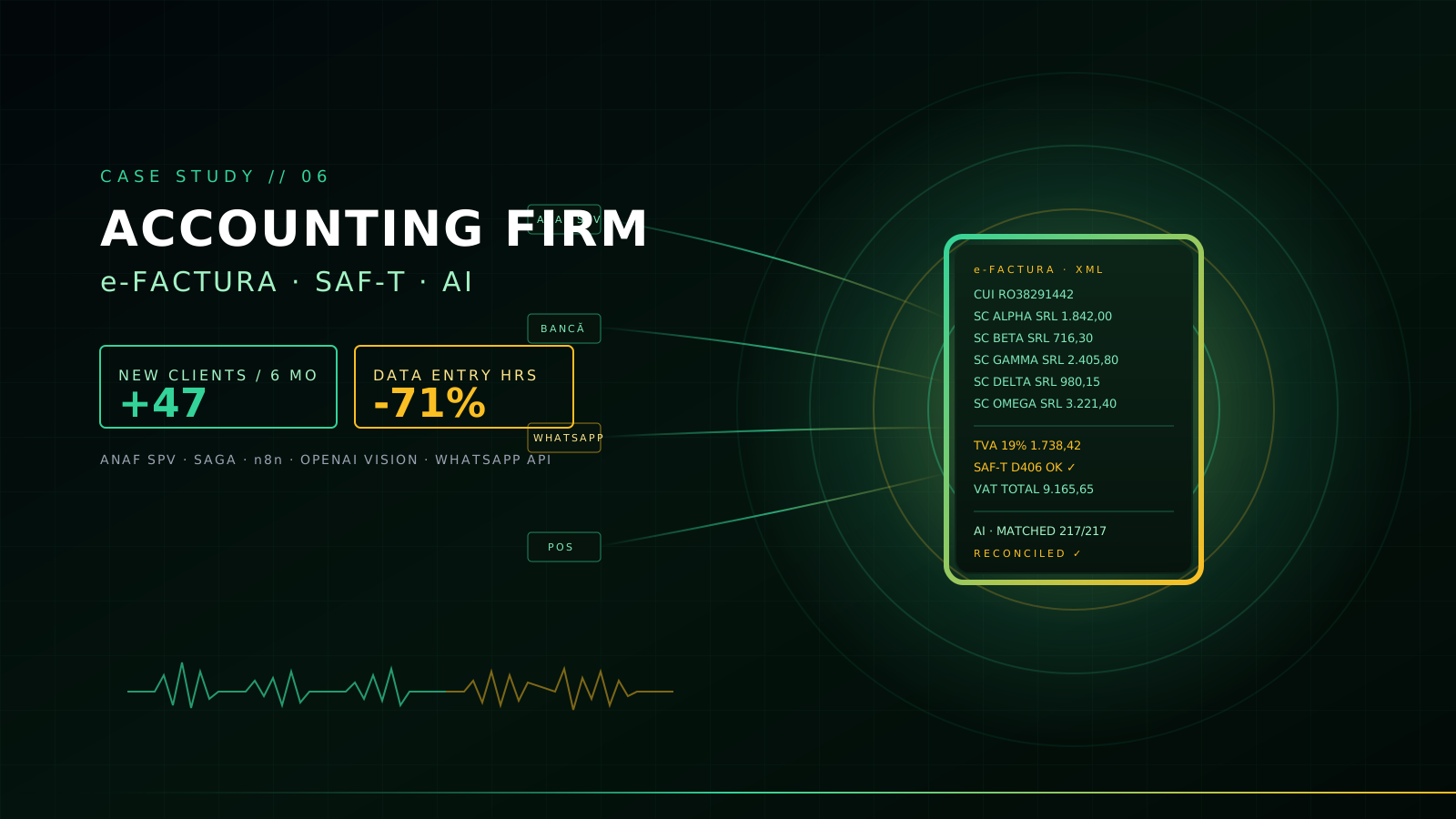
The firm onboarded 47 new SME clients without hiring a single accountant — the same team now serves 357 accounts where 310 used to feel terminal. Manual data-entry hours dropped 71%. SAF-T D406 went from 'filed in the last 48 hours' to 100% submitted three working days before the deadline, with zero ANAF clarifications opened in the most recent quarter.
WhatsApp response time to clients fell from 'next morning' to under two minutes for 94% of messages. The senior partner has stopped working past 7pm. The two juniors were promoted to client-relationship roles — they now own portfolios, run quarterly reviews, and upsell payroll services, instead of dragging files into folders.
The unexpected upside: client retention. Churn at this firm used to be 9% annually, mostly to bigger competitors who promised 'a real portal'. In the last six months, exactly one client left — and three came back from competitors, citing the WhatsApp concierge by name.
What we'd do differently
We initially auto-posted every WhatsApp receipt the AI was over 90% confident about. After two months a partner caught a misclassified protocol expense that had been silently booked as a deductible meal. We changed the threshold: anything above 200 RON or anything tagged 'protocol/representation' now waits for a one-tap human approval, no matter the confidence score. The hours lost to that review are negligible; the audit risk avoided is not.
We also learned to keep ANAF correspondence human-signed. The agent drafts every clarification reply, but a partner reads and signs it. ANAF inspectors notice tone, and a fully-AI letter is a tell. The drafting time savings are still 80%; we just left the last mile to a human.
"e-Factura was supposed to save us time. For 18 months it did the opposite. The AI agent is the first thing in five years that actually closed the month before the next one started."
— Senior partner, accounting firm