The problem
The clinic relied on a single receptionist juggling phone calls, a paper calendar, and a Google Sheet. Around 1 in 4 appointments ended as a no-show or last-minute cancellation, and urgent slots went unfilled because the waitlist lived in someone's head.
Insurance paperwork, treatment-plan follow-ups, and review requests fell to whoever had a free minute — which usually meant they didn't get done at all.
What we built
We mapped the full patient journey — from the first Instagram DM to the six-month recall — and replaced every manual handoff with an automation. The stack is deliberately boring: proven tools, no custom infrastructure to maintain.
- Online booking widget synced to Google Calendar with per-practitioner availability and treatment durations
- WhatsApp reminders at T-48h and T-3h with a one-tap confirm/reschedule button
- Automatic waitlist promotion when a slot opens within 24 hours
- Post-visit flow: feedback form → if 5 stars, Google Review prompt; if lower, internal alert to the clinic manager
- Six-month recall campaign triggered off the last visit date, with dynamic copy per treatment type
- Daily digest to the owner: bookings, cancellations, revenue, and NPS in one Slack message
The results after 90 days
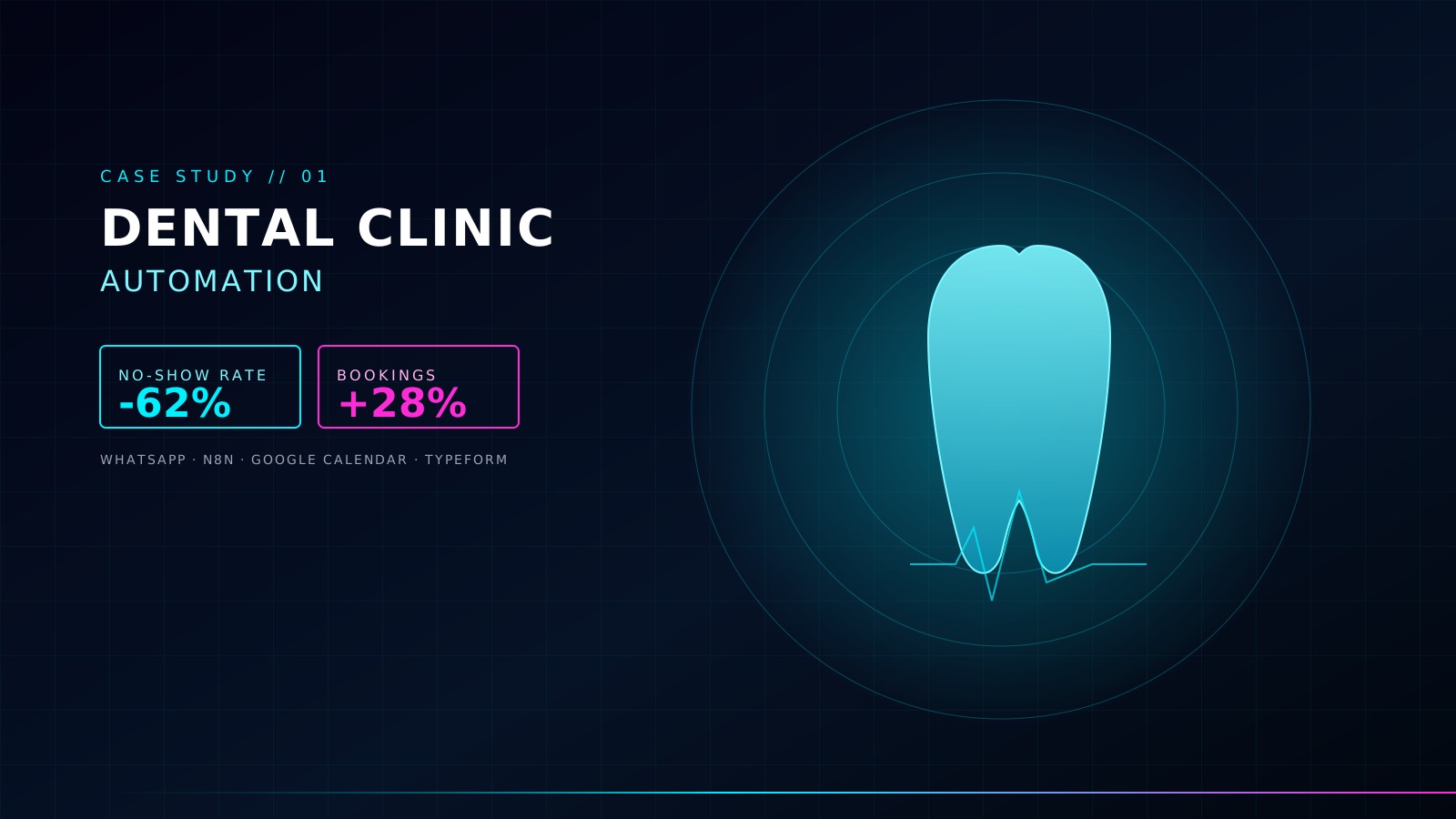
The no-show rate dropped from 24% to 9%. The waitlist automation alone recovered an average of 11 appointments per month that would have stayed empty. Google reviews went from 47 to 138, pushing the clinic to the top of local map results for its neighborhood.
Most importantly, the receptionist stopped working after-hours. The clinic added a second hygienist two months later on the back of the freed capacity.
"We used to dread Monday mornings because of the backlog. Now the schedule is already sorted before the first coffee."
— Clinic owner